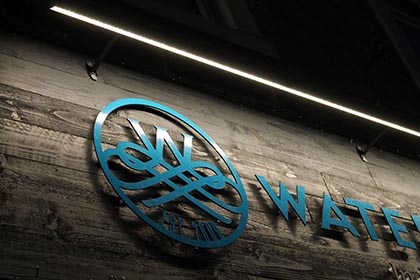
Commercial Sign Lighting & LED Sign Illumination: Types, Benefits & Best Practices

Choosing the right commercial sign lighting is about far more than making a sign visible after dark. The lighting you select directly affects brand perception, visibility, energy efficiency and compliance with local planning requirements.

Before selecting LED sign lighting, it’s essential to understand what you want your lighting to achieve. Are you aiming to attract passing traffic, looking for shop fascia lighting, highlight architectural features, or create a premium brand image? The answers to these questions determine which lighting type offers the best balance of appearance, performance, and cost.

What is Commercial Sign Lighting?

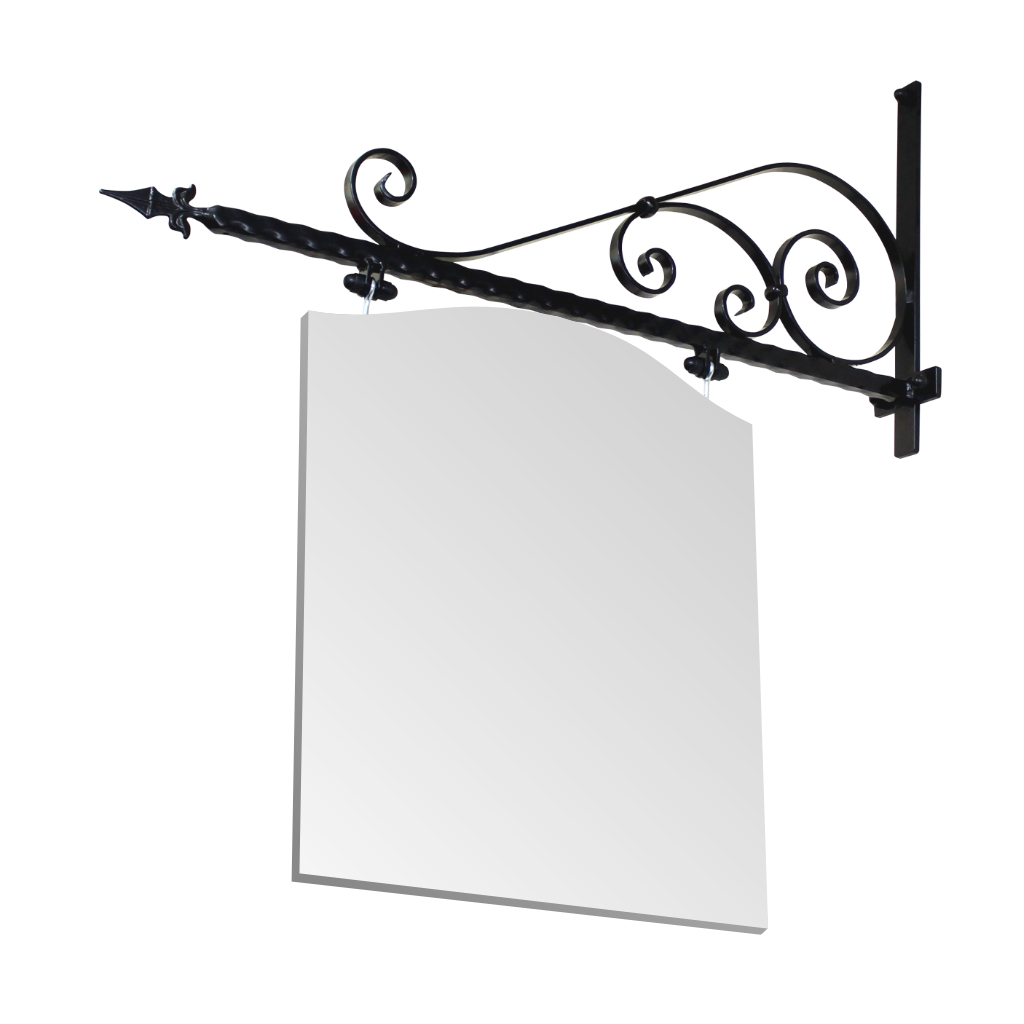
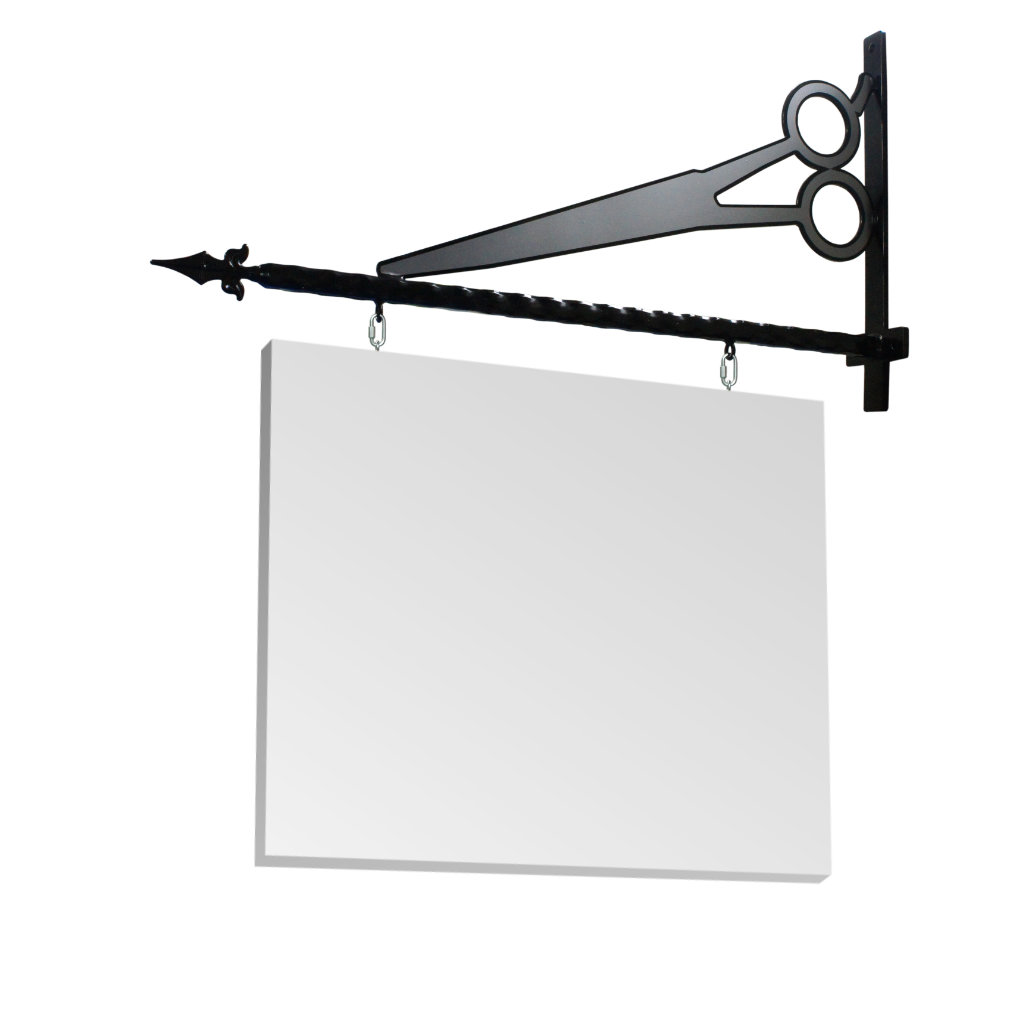
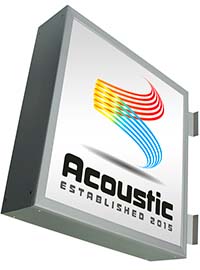
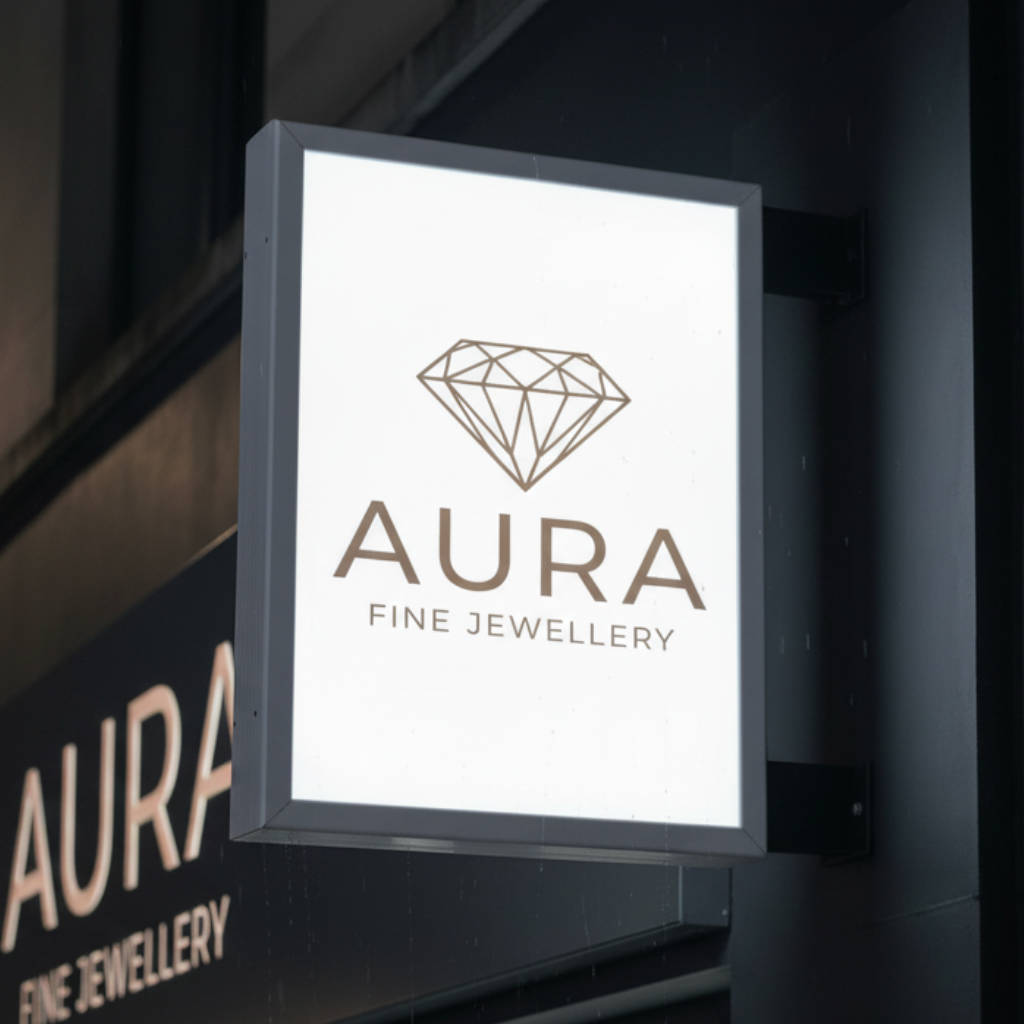
Commercial sign lighting refers to lighting systems designed to illuminate business signage, shop sign lighting, projecting signs and architectural branding. Depending on the application, lighting may be mounted externally using trough lights, spotlights or floodlights or integrated internally within illuminated signs. Modern LED systems are now the preferred choice due to their energy efficiency, reliability and long lifespan.

Key Questions Before Choosing Sign Lighting

Understanding your objectives helps narrow down the correct LED sign lighting solution:

  • Is the goal to make the sign readable at night?
  • Should the building itself become a feature?
  • Is the sign externally or internally illuminated?
  • Is energy efficiency a priority?
  • Is the installation exposed to weather?
  • Will the lighting operate nightly or occasionally?
  • Is maintenance access easy or difficult?

 These considerations guide whether you choose LED trough lighting, spotlights,
  floodlights or decorative architectural lighting.

Traditional Sign Lighting

For decades, exterior sign lighting relied on fluorescent tubes, halogen floodlights and discharge lamps. While these technologies are still found on many older buildings, they have largely been replaced by LED lighting.

Fluorescent Lighting

Fluorescent lighting was once the standard choice for sign trough lights, business sign lighting and illuminated shop signs.

Advantages

  • Good light spread
  • Low initial cost (historically)
  • Readily available replacement tubes
  • Familiar technology

Disadvantages

  • Relatively high electricity consumption
  • Tubes gradually lose brightness
  • Frequent lamp replacement
  • Ballasts can fail
  • Poor performance in cold weather
  • Contains small amounts of mercury
  • Being phased out in many markets

Today, fluorescent systems are generally considered obsolete for new installations.

Halogen Lighting

Halogen floodlights were popular for illuminating projecting signs, building facias and monuments.

Advantages

  • Bright, crisp light
  • Good colour rendering
  • Simple installation

Disadvantages

  • Very high energy consumption
  • Generates considerable heat
  • Short lamp life
  • Regular maintenance
  • Higher running costs
  • Becoming increasingly unavailable

Many businesses replacing halogen lighting typically reduce electricity consumption by 70–90% when upgrading to LEDs.

Modern LED Sign Lighting (The Industry Standard)

LED technology is now the industry standard and has transformed the sign industry and is now the preferred solution for almost every type of external illumination.

Advantages

  • Extremely low energy consumption
  • Long operating life (often 50,000+ hours)
  • Instant full brightness
  • Wide choice of colour temperatures
  • Minimal maintenance
  • Weather resistant
  • Compact designs
  • Excellent reliability
  • Can be dimmed or controlled automatically
  • Environmentally friendlier (no mercury)

Potential disadvantages

  • Slightly higher initial purchase cost
  • Poor-quality products can suffer from premature failure
  • Light quality varies between manufacturers

Choosing a reputable manufacturer such as Tradesignz avoids these drawbacks. 

Choosing the Right Type of Lighting

Not every application requires the same approach. Different lighting styles produce very different visual effects.

Decorative Feature Lighting

Decorative lighting is intended to enhance the appearance of the building rather than simply illuminate the sign.

Typical examples include:

  • Architectural wall washing
  • Feature lighting around entrances
  • Lighting columns
  • Decorative uplighting
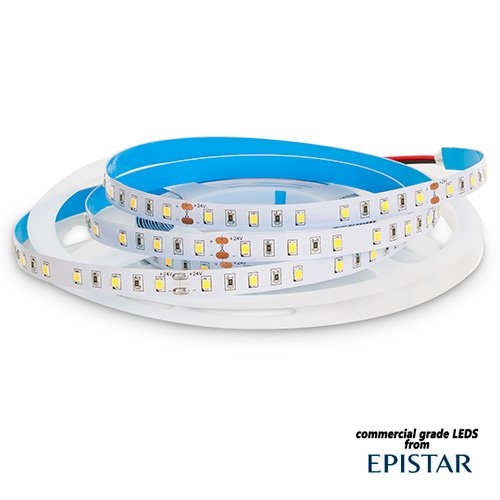
  • Linear LED feature strips
  • Accent lighting
Best suited for:  Restaurants, hotels, bars, heritage buildings, leisure attractions.

Advantages

  • Creates atmosphere
  • Enhances branding
  • Makes premises memorable
  • Adds perceived quality

Considerations

  • Usually complements rather than replaces sign lighting.
  • Careful design is needed to avoid light spill or glare.

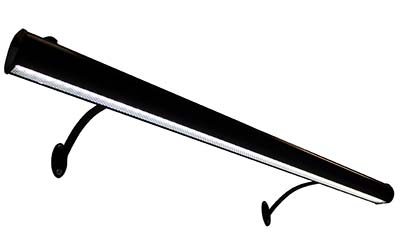
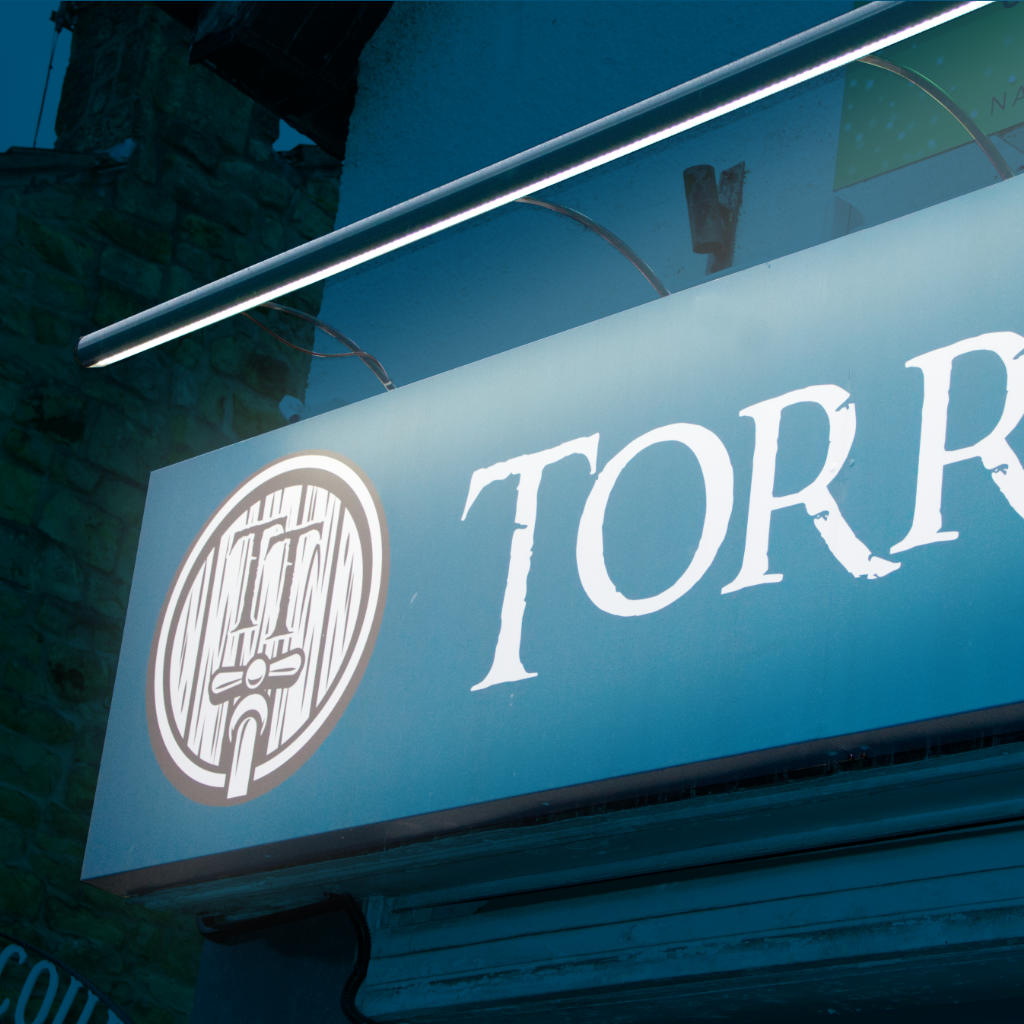
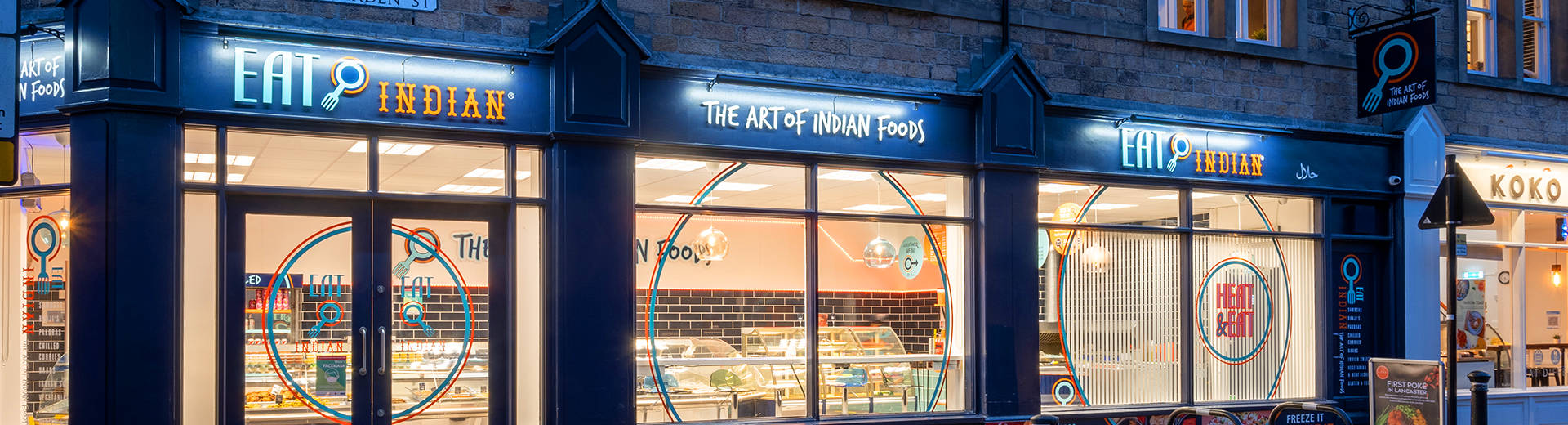
LED Trough Lighting (Best for Shop Fascia Lighting)

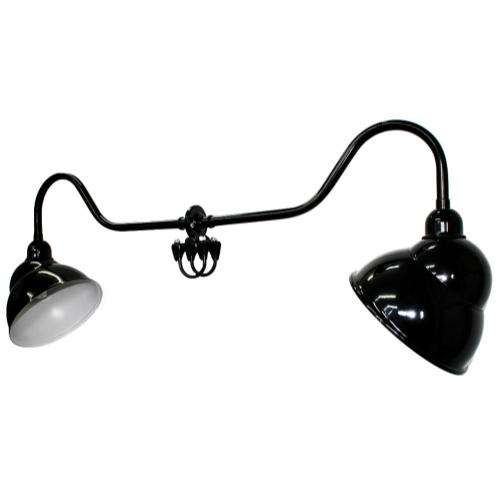
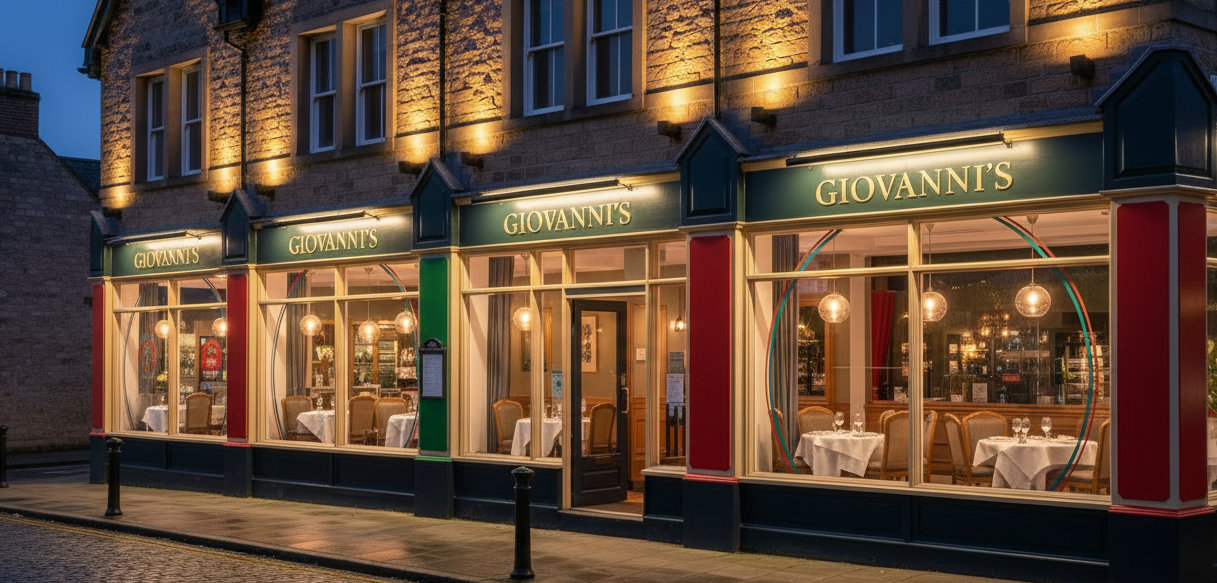
Trough lights remain one of the most popular methods of illuminating fascia signs.

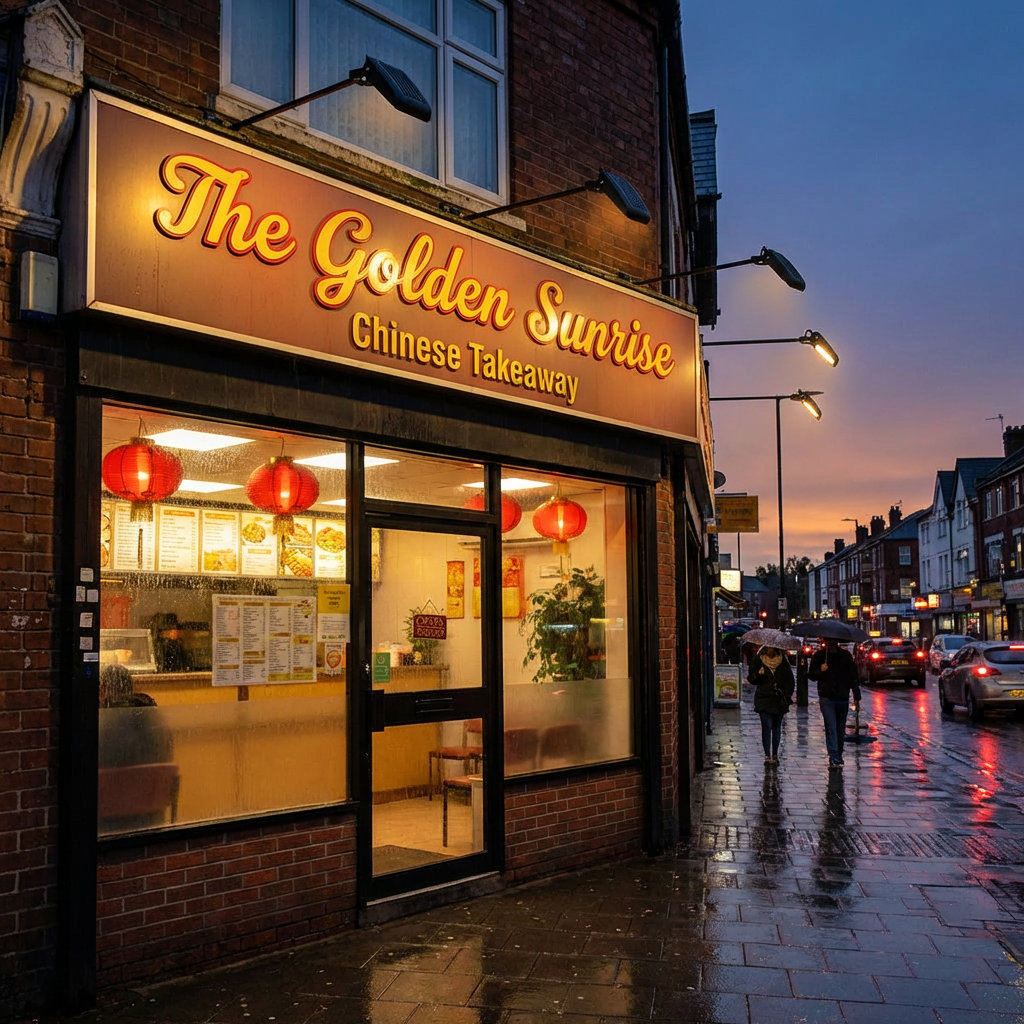
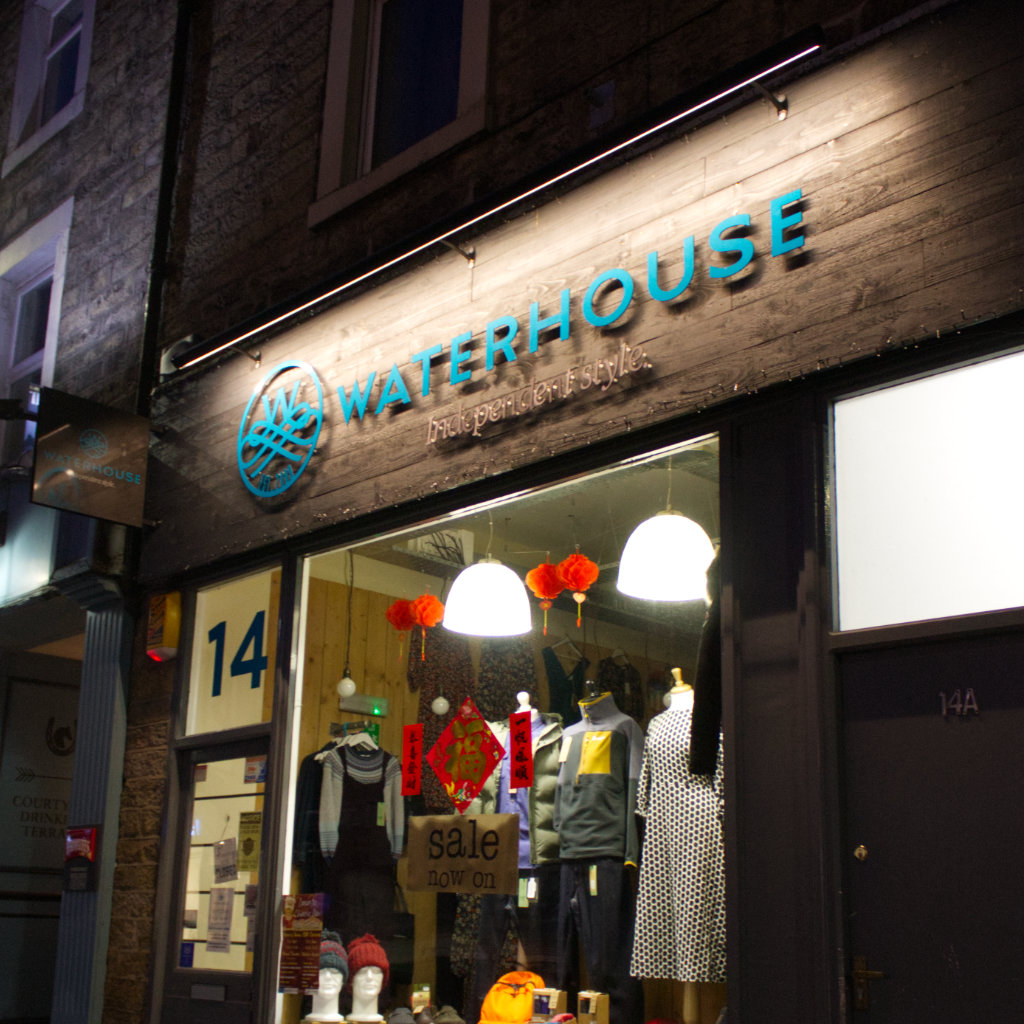
Mounted above the sign, they project an even wash of light across the entire face.

Ideal for:  Shop fascias, industrial premises, retail parks, commercial buildings.

Advantages

  • Even illumination
  • Professional appearance
  • Excellent for long fascia signs
  • Low maintenance
  • Minimal glare
  • Available in multiple lengths
  • Easy to retrofit

Things to consider

  • Correct mounting height is important.
  • Beam angle should suit the sign depth.
  • Longer signs may require multiple fittings.
  • A continuous linear appearance generally looks more professional than separate spotlights.

For most standard shop fascias, LED trough lighting offers the best combination of performance, efficiency and value.

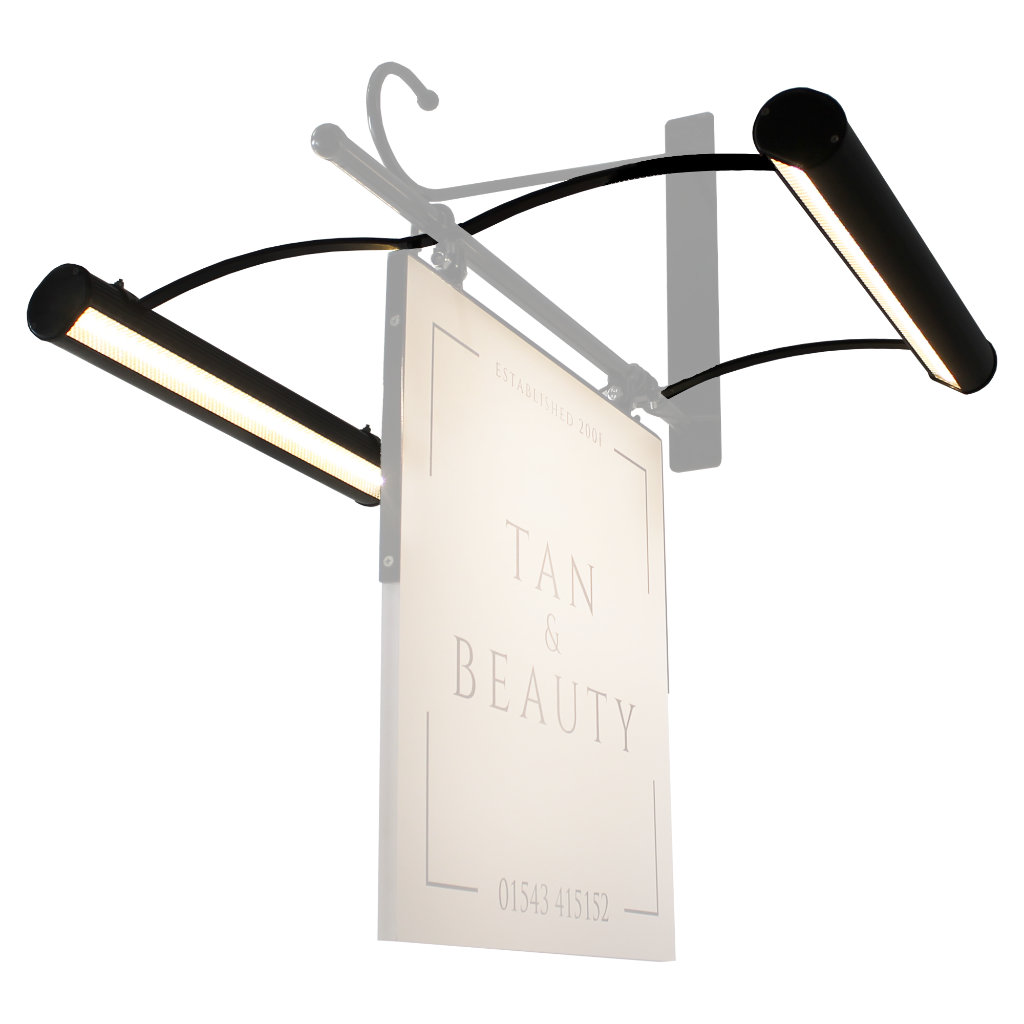
Spot Lighting

Spotlights provide focused illumination onto specific areas.

Common uses include:

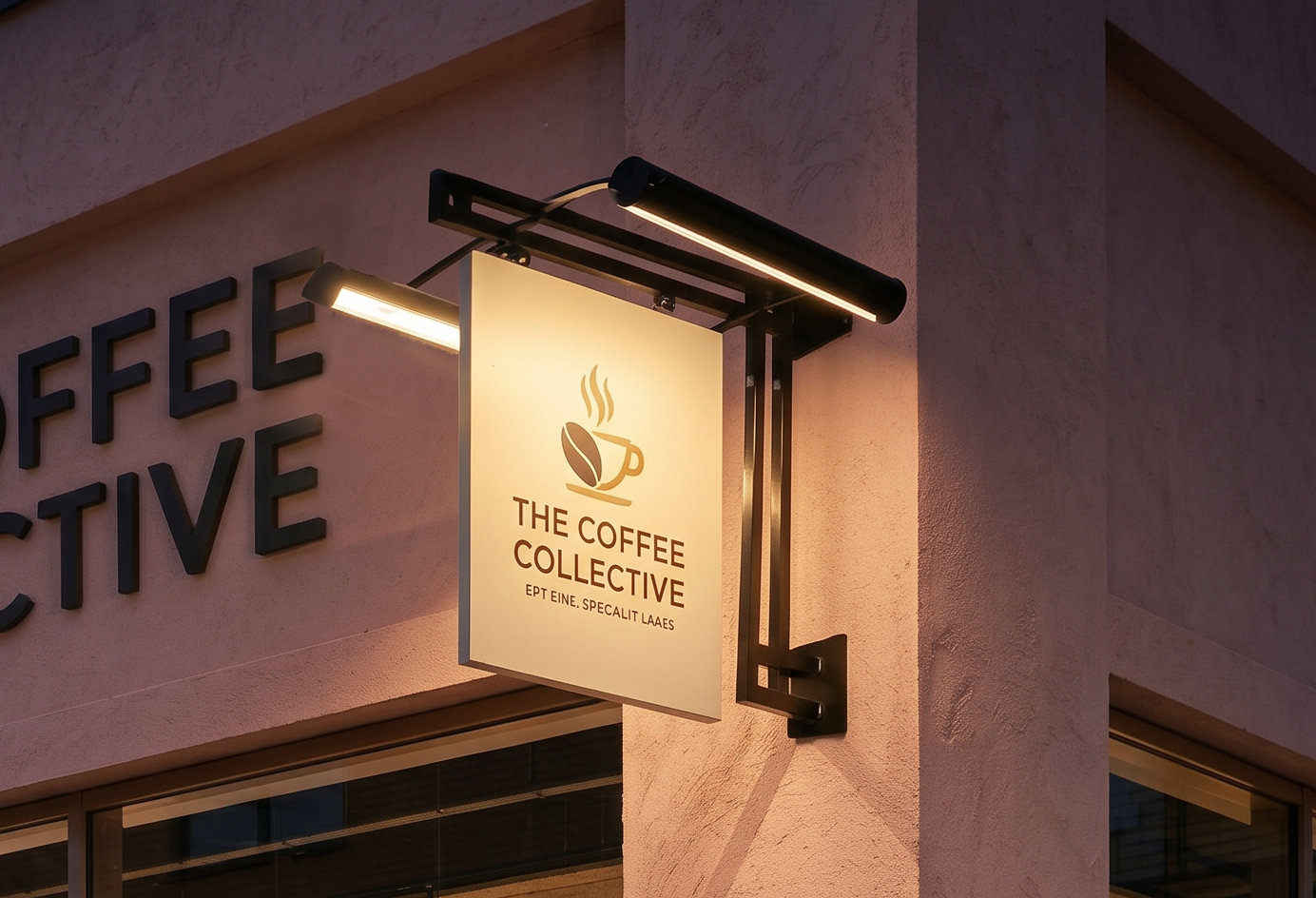
  • Individual projecting signs
  • Sculptures
  • Logos
  • Architectural details
  • Entrance features

Advantages

  • Flexible positioning
  • Strong visual impact
  • Easy to direct
  • Can create dramatic effects

Disadvantages

  • Uneven illumination over large signs
  • Risk of bright hotspots
  • More fittings often required

Spotlights are ideal where emphasis is required rather than uniform lighting.

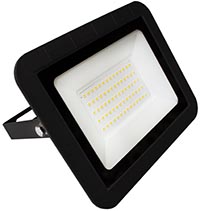
Flood Lighting

Floodlights illuminate large areas with a broad beam.

Suitable for:

  • Large building signs
  • Retail warehouses
  • Industrial units
  • Sports facilities
  • Totem signs

Advantages

  • Covers large areas
  • High output & long throw distances
  • Fewer fittings for very large signs

Disadvantages

  • Can produce unwanted light spill
  • Potential glare if poorly positioned
  • Less subtle appearance
  • May require planning consideration in sensitive locations

Floodlights are generally better suited to large commercial premises than smaller retail shopfronts.

Comparing the Options

Lighting TypeBest ForEnergy EfficiencyMaintenanceAppearance
FluorescentOlder installations★★☆☆☆HighEven
HalogenSmall spot illumination★☆☆☆☆HighBright
LED TroughFascia signs★★★★★Very LowExcellent
Spot LightingIndividual features★★★★★Very LowDramatic
Flood LightingLarge buildings★★★★☆LowPowerful
Decorative LEDArchitectural features★★★★★Very LowPremium

Which Lighting Should You Choose?

The best solution depends on your goals:

  • For most shop fascia signs: LED trough lighting provides the most even, efficient and professional illumination.
  • For highlighting a logo or projecting sign: LED spotlights offer precise, eye-catching accents.
  • For illuminating large industrial buildings or oversized signs: LED floodlights deliver broad, powerful coverage.
  • For creating atmosphere or enhancing a building's appearance: Decorative architectural lighting adds character and reinforces your brand identity.

In many cases, the most effective result comes from combining lighting types—for example, using LED trough lights to illuminate the main fascia while adding subtle architectural lighting to accentuate entrances or key features.

What colour temperature is best for sign lighting?

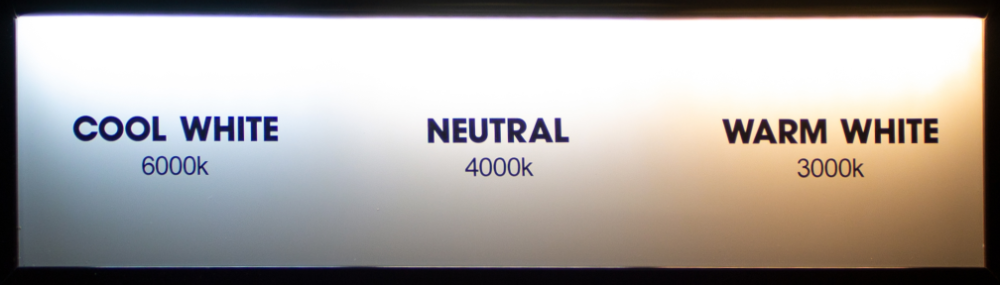
The colour temperature of your sign lighting has a significant impact on how your business is perceived after dark. Measured in Kelvin (K), colour temperature doesn't describe how bright a light is, but rather the appearance of the light it produces—from warm, inviting tones to crisp, cool white illumination.

Selecting the right colour temperature helps ensure your signage complements your brand, enhances visibility, and creates the desired atmosphere.

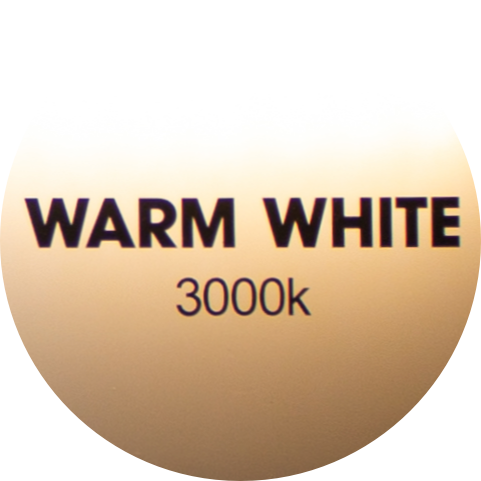
3000K – Warm White

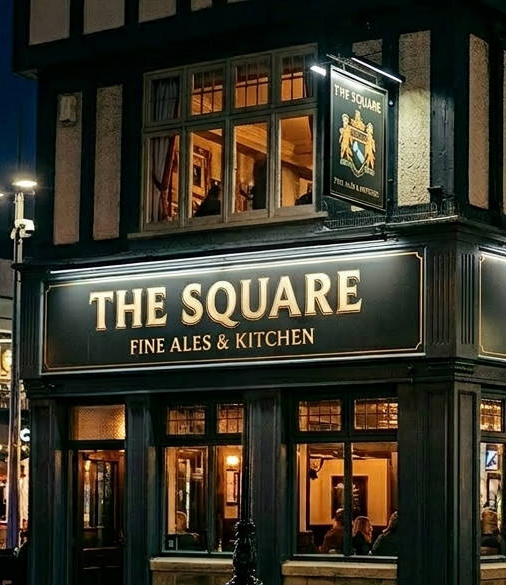
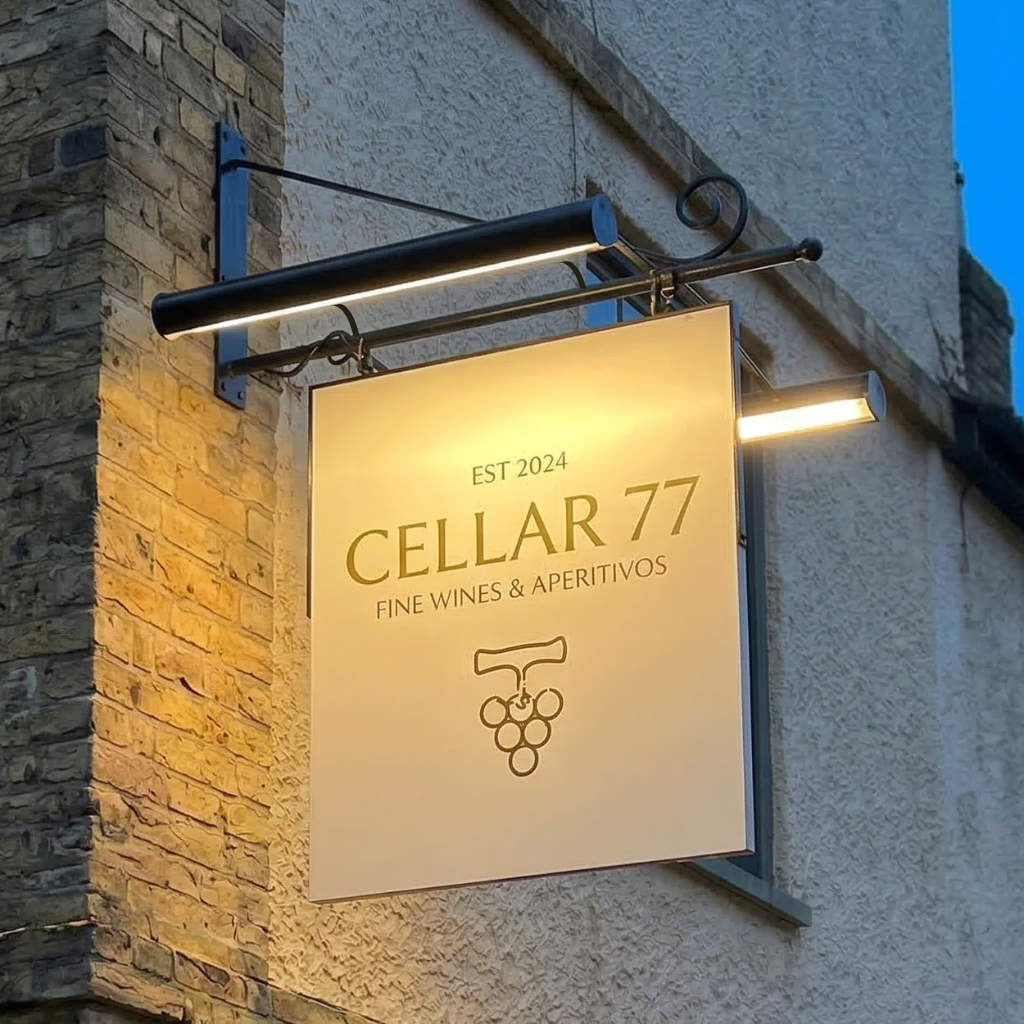
Warm white lighting produces a soft, slightly golden glow that creates a welcoming and sophisticated appearance. It's ideal for businesses looking to create ambience rather than maximise brightness.

Best suited for:

  • Restaurants and cafés
  • Hotels and hospitality venues
  • Pubs and bars
  • Boutique retailers
  • Heritage and listed buildings

Advantages:

  • Creates a warm, inviting atmosphere
  • Enhances natural building materials such as brick, stone and timber
  • Reduces harsh glare
  • Supports premium brand positioning

Warm white lighting is particularly effective where customer experience and atmosphere are just as important as visibility.

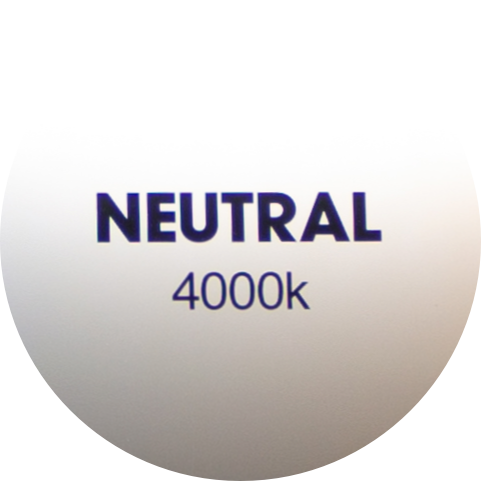
4000K – Neutral White

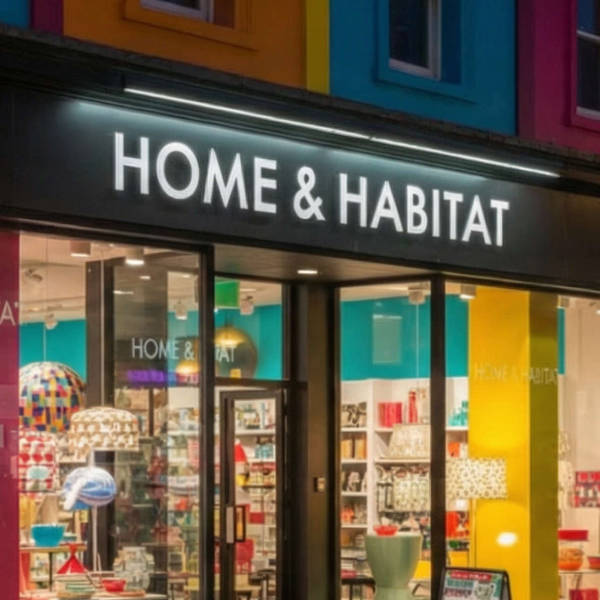
Neutral white provides a clean, balanced light that closely resembles natural daylight. It offers excellent visibility without appearing overly cold, making it the most versatile option for commercial signage.

Best suited for:

  • Retail stores
  • Shop fascias
  • Offices
  • Business parks
  • Healthcare facilities
  • General commercial buildings

Advantages:

  • Excellent readability for signs and graphics
  • Accurate colour rendering
  • Modern, professional appearance
  • Suitable for most commercial applications

For many businesses, 4000K is the preferred choice, striking the ideal balance between aesthetics, visibility and practicality.

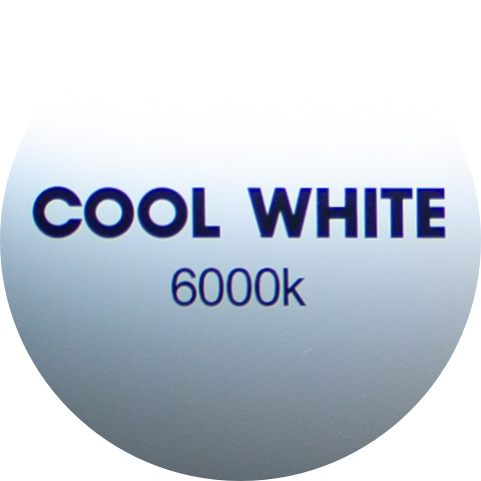
6000K – Cool White

Cool white lighting produces a bright, crisp light with a slight blue tint. It maximises visibility and creates a contemporary, high-impact appearance, particularly in larger commercial environments.

Best suited for:

  • Industrial units
  • Warehouses
  • Retail parks
  • Petrol stations
  • Large totem signs
  • Security and perimeter lighting

Advantages:

  • Maximum perceived brightness
  • Excellent long-distance visibility
  • Modern, high-tech appearance
  • Ideal for large external signage

However, because cool white light can appear harsher than warmer tones, it should be used carefully in hospitality settings or areas where a softer, more welcoming atmosphere is desired.

Which Colour Temperature Should You Choose?

The best colour temperature depends on your brand identity, building style and the purpose of your lighting.

Colour Temperature

Appearance

Best For

3000K

Warm, welcoming

Restaurants, hotels, pubs, heritage buildings

4000K

Clean, neutral

Shop fascias, offices, retail, general commercial signage

6000K

Bright, crisp

Industrial buildings, warehouses, retail parks, large external signs

In most commercial applications, 4000K neutral white offers the best all-round performance, delivering excellent visibility while maintaining a professional appearance. Businesses looking to create a more inviting atmosphere may prefer 3000K, while 6000K is often the best choice where maximum visibility and impact are the priority.

Warm_neutral_cool_1.png

Benefits of Commercial Sign Lighting

Commercial sign lighting delivers far more than simple illumination — it directly improves how your business is seen, trusted, and remembered. Modern LED systems make signage work harder for you, day and night.

Increased Visibility

Well‑designed sign lighting ensures your business stands out in busy high streets, retail parks, and industrial estates. Illuminated signage cuts through poor weather, low light, and visual clutter, helping customers spot your premises quickly and confidently.

Improved Brand Recognition

Consistent, bright illumination makes your branding readable from greater distances and in all conditions. When your colours, logo, and message are clearly visible, customers recognise your business faster and recall it more easily — especially important for repeat trade.

Better Customer Confidence

A well‑lit sign signals professionalism, reliability, and attention to detail. Customers instinctively trust businesses that look established and well‑presented, and illuminated signage creates that first impression before they even step through the door.

Improved Safety

Lighting around entrances, walkways, and shopfronts reduces trip hazards and improves general visibility for staff and customers. It also acts as a deterrent to unwanted activity, making your premises feel safer after dark.

Longer Trading Hours

Illuminated signage keeps your business visible long after natural daylight fades. Whether you operate late into the evening or simply want to capture passing trade, lighting ensures your brand stays active and noticeable.

Lower Energy Costs with LED

Modern LED sign lighting delivers bright, even illumination at a fraction of the running cost of traditional fluorescent or halogen systems. LEDs use significantly less power, generate less heat, and last far longer — reducing both energy bills and maintenance costs.
FAQs

How bright should commercial sign lighting be?

Commercial sign lighting should be bright enough to give an even wash of light across the face of the sign without hotspots or glare. For most shopfronts and fascia signs, 1,000–3,000 lumens per metre is the typical sweet spot. Larger signs or high‑level installs may need more output to compensate for distance and ambient lighting. Consistent, uniform illumination is more important than raw brightness.
Is LED sign lighting cheaper to run?

Yes — LED sign lighting is significantly cheaper to run. LED trough lights typically use 70–90% less energy than older fluorescent or halogen fittings, and they last far longer. For a standard shopfront sign, switching to LED can reduce running costs from £150+ per year to under £30, depending on usage. Lower heat output also means fewer failures and less maintenance.
Do illuminated signs require planning permission?

Most commercial illuminated signs do not require full planning permission, but they do fall under the UK’s advertisement consent regulations. In practice:

  • Standard shopfront signs with modest illumination are usually allowed
  • Extra‑bright, flashing, or oversized illuminated signs may need consent
  • Conservation areas and listed buildings have stricter rules

If in doubt, installers should check with the local council’s planning department.

Can existing trough lights be upgraded to LED?

Yes — most older trough lights can be upgraded to LED. There are two routes:

  • Direct replacement with a modern LED trough light
  • Retrofit conversion using LED bars and drivers inside the existing housing

Upgrading reduces energy use, improves brightness, and eliminates the maintenance issues of fluorescent tubes.

Final Thoughts

Modern LED technology has fundamentally changed the economics of sign lighting. Compared with older fluorescent and halogen systems, LEDs typically offer lower running costs, longer service life, reduced maintenance and greater design flexibility. Although the initial investment may be slightly higher, the long-term savings and improved performance make LEDs the preferred choice for almost all new installations.

Before selecting a system, consider what you want your lighting to achieve. Is it simply about visibility, or do you want your premises to stand out, strengthen your brand and create a welcoming environment after dark? Answering that question first will help guide you towards the most appropriate solution, whether that's a sleek LED trough light, a dramatic spotlight, a powerful floodlight or a carefully designed decorative lighting scheme.


Looking for reliable, UK made commercial sign lighting?

Whether you're illuminating a single shop fascia or an entire retail frontage, our team can recommend the most suitable LED lighting solution based on sign size, mounting height and required brightness. Contact us for expert advice or browse our range of UK manufactured sign lighting.

Copyright © 2021-present Tradesignz Manufacturing Ltd. All rights reserved.
^